
Twenty One Children: “We aim to put Soweto punk on the map”
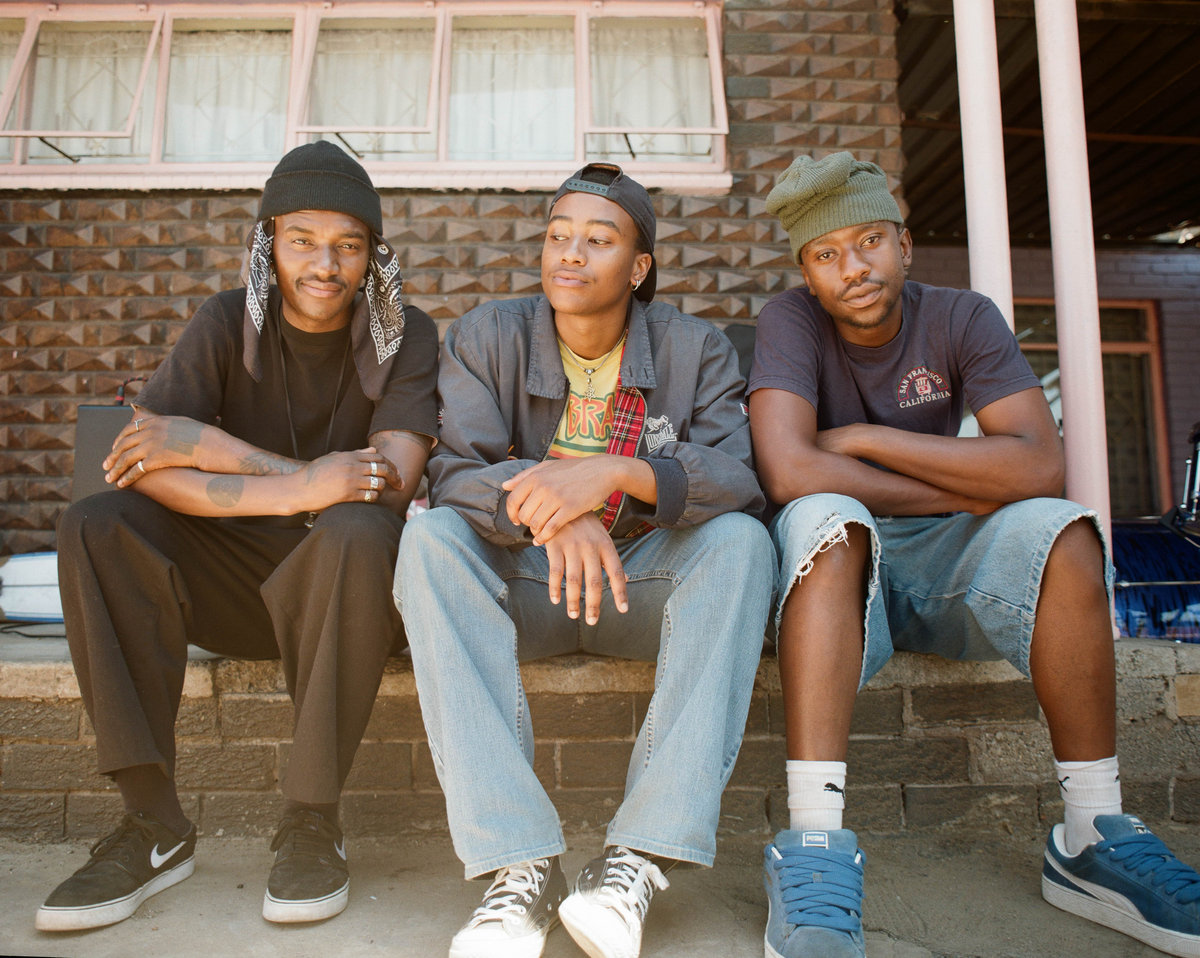
Their fans adore them, probably because of everything Twenty One Children has done for their small community in the suburbs of Soweto, South Africa. Their lives are split evenly between skateboarding and punk. The band formed in 2023, rising out of Johannesburg’s South African Skate Punk Culture, where the rule is simple: “skate fast, mosh hard.”
Soweto (South Western Townships) emerged in the early 20th century as a cluster of segregated neighborhoods, later reinforced under apartheid. Yet for nearly a century, it has also been a cultural powerhouse within South Africa. The birthplace of Kwaito in the early ’90s, Soweto also embraced skateboarding during that decade as a refuge for many young people. And although on a smaller scale, punk found its way into these streets too, blending naturally with skate culture, not as an imported trend, but as a form of resistance.
“The Soweto punk scene is small, but the bands are solid,” the band told Raw Critters.
But Twenty One Children have never stood on the sidelines. Whenever their neighborhoods have needed a new skate park, the band has helped to make it happen. If there isn’t one, they draw up a plan. There’s no funding, they go out and ask for it. Kids can’t afford schoolbooks, they plug in their guitars and put on a benefit show.
In doing so, Twenty One Children have become far more than a skate‑punk band. They’ve caught the attention of labels like Slovenly Recordings and won over audiences on stages in Kenya and the United Kingdom. It’s no surprise that local kids’ eyes light up around them, seeing them as small heroes while dancing with them to the frenetic pulse of punk.
Thulasizwe “Thula” Nkosi (guitarist), Abdula Skink (vocalist), and Briko (drummer) share with Raw Critters their vision of this movement and their role in it through Twenty One Children.
QUESTION (Q.) At 8,000 km away, how would you explain to someone in Madrid that you’re a skate punk band from Soweto? How did the band start out, and why?
ANSWER (A.) Well, skateboarding was always the coolest thing to see visually as a teen. Whether on TV, X Games, or in real time. Naturally, there were skate videos we watched, and the soundtracks were usually punk rock. So it was only right to follow suit. The band started in 2023 Feb 21 after Thula came out of my 21-day loony bin stint. Abdula was still working as a substitute teacher at an autistic school. Abdula asked Thula if they could start a band, and that’s when Thula decided to pause his 4-year retirement from punk rock.
Q. You’re the first African band signed to Slovenly Recordings. Who found whom, and how did it happen?
A. We did a joint birthday party with FACT clothing brand from California. Fact introduced us to CVLT Nation, which published an article about us on its social media platforms that went viral. Pete Slovenly saw the articles and reached out. He sounded more grounded and legit than most of the other offers we received, so we gave ’em a try.
Q. What’s the punk scene like in Soweto? Is it still underground or on the rise? And what sets it apart from other punk scenes?
A. The Soweto punk scene is small, but the bands are solid. The bands down here kick ass. We are definitely at the forefront, with our long history in South African punk. What sets us Sowetan apart from the rest of South Africa or the world is that we live in extremely small, overcrowded houses that force us to spend more time outdoors than inside. This creates an incredible monopoly over storytelling capabilities. Never a dull day in the hood.
Q. For you, punk and skateboarding seem inseparable. How do those two worlds feed off each other?
A. Our guitarist says that guitar and punk guitar are the same thing. The flipping foot is the fretting hand, and the pushing foot is the strumming hand. The faster you push/strum, the faster and more dangerous the skate/mosh becomes.
Q. In your videos and live shows, the crowd enjoys your music just like fans of any British punk band would. But if you look closely, there’s something more in their eyes. People really engage with what you’re doing. I can see it from here. What kind of power does that interaction have on your music?
A. We don’t write our music with the crowd response in mind. Our guitarist has got this notepad full of poetry on his phone. He says it’s just thoughts. Those thoughts are turned into melodies by our vocalist during our jam sessions, guided by fresh riffs and whatever our drummer, Biko, comes up with on the day. The cool thing about Biko is that he was just introduced to punk and has a fresh, open mind for it. So he is basically rolling with the punches, or should I say drumsticks? The key here is playback. Listening back to the songs and being brutally honest with each other and ourselves. Luckily, most of our songs work out, and the children go bezerk. Shout out to them!
Q. And it goes both ways. From the skate park you built in Soweto to the Shredding 4 Africa event you attended, do you feel young people see you as a reference or role model? How do you influence your community?
A. We didn’t set out to be role models… Ha ha! See what we did there. But yeah, kids look up to us. We won’t deny our power and influence. A whole bunch of people of all ages reach out and ask for advice. Topics range from band management, sobriety, musical technicalities, to skate tips. We are not trying to be axamplary but we are fully aware that what we are doing is pretty amazing. Especially considering where we are coming from.
Q. What ingredients make up your music? Do you put frustrations and things you can’t achieve into punk?
A. Our music is about mental health. As mentioned earlier. Our singer used to be a sub-teacher at an autistic school. Where he had 21 kids in his class. Our guitarist had spent 21 days at the loony bin, which was then followed by sobriety, therapy, and rehab. We get it. The world can be a lot at times. Our band is here to make sure our audience has an insanely good time while still keeping their minds intact. Being functional in a crazy world.
Q. At the same time, your sense of humor seems like an essential spice in how you express yourselves. What role does irony play in connecting with your audience?
A. Comedians have the power of addressing the most serious, sensitive issues with ease by putting a smile on people’s faces and having them laugh at topics that they wouldn’t even want to engage in. Allowing people to step out of themselves a bit makes for better observation of any given situation. We also just wanna have fun and make people happy. So what’s wrong with a few laughs here and there?
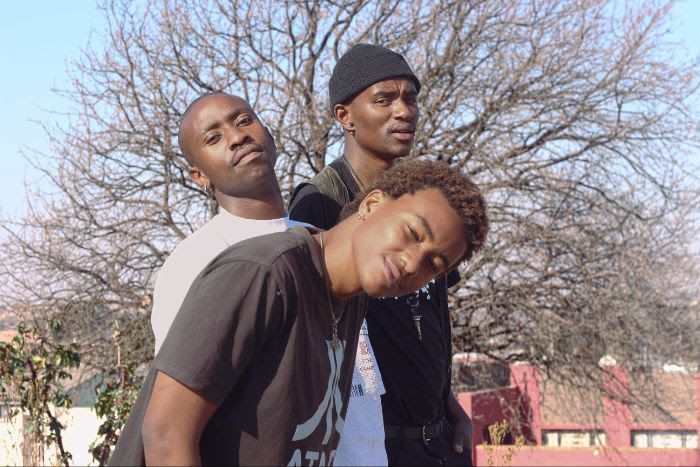
Q. This year, 2025, feels like a milestone for the band, with an EP (S/T), a mini album (After The Storm), videos, and shows. How has it been to pull off so much work?
A. We’ve been running that very same program every year. Yeah, we got jobs, but this band is our baby. So we just babysit and feed it the best we can. Sometimes take the baby on a road trip or to the beach. Sometimes, I play dates with the other kids. Nappy changes, gym, class, homework, shopping, time-outs, photos, videos, ice cream, the works. Whatever a toddler needs.
Q. What are the challenges of touring in South Africa and abroad? Will you be coming to Europe or America to promote your music? I am an old lady 😉, but I want to see you guys!
A. Our only challenge is money and more money. Yeah, we aim to tour the entire world, that’s the dream. To put Soweto punk on the map. Will be seeing a lot of you soon. We are doing the best we can to make things happen. We won’t rest. No sleep, even after Brooklyn. The world needs to hear us. The children deserve it. Dear sponsors, please reach out if you can assist with our travels. It will be worth your while. Guaranteed.


